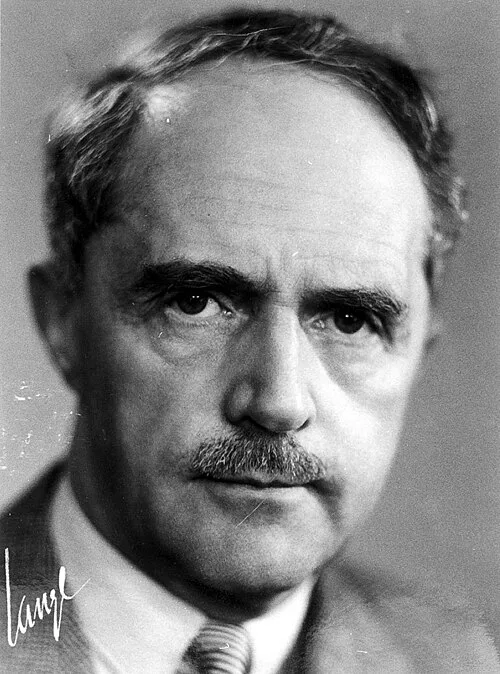
Ivar Tengbom
Ivar Tengbom was a leading Swedish Grace architect whose neoclassical designs defined the 1920s era. He created Stockholm Concert Hall (1926), with its symmetrical facade and elegant Ionic columns, and the Swedish National Pavilion at the 1925 Paris Exposition—a white neo-Greek temple showcasing Grace’s refined classicism. Tengbom masterfully fused monumental symmetry with modern functionality, embodying the movement’s democratic elegance in civic landmarks.
Ivar Tengbom (1878–1968) masterfully bridged Sweden’s architectural eras, from national romanticism to the elegant Nordic Classicism of Swedish Grace, leaving a lasting mark on Stockholm’s skyline.
Early Life
Born on Nynäs gård in Vireda, Ivar Tengbom trained under leading architects and launched his career by partnering with Ernst Torulf in 1906, founding what became Tengbom Architects, one of the world’s oldest firms still active today.
Their competition wins, like Borås Town Hall (1909) and Högalid Church (1911–1923), showcased a romantic sensitivity to site and material that captivated early 20th‑century Sweden.
Swedish Grace Pinnacle
Tengbom’s 1920 competition triumph with “The Red Heart” design gave rise to Stockholm Concert Hall (1924–1926), a graceful composition of limestone symmetry and subtle ornament and, above all, Swedish Grace’s global ambassador.
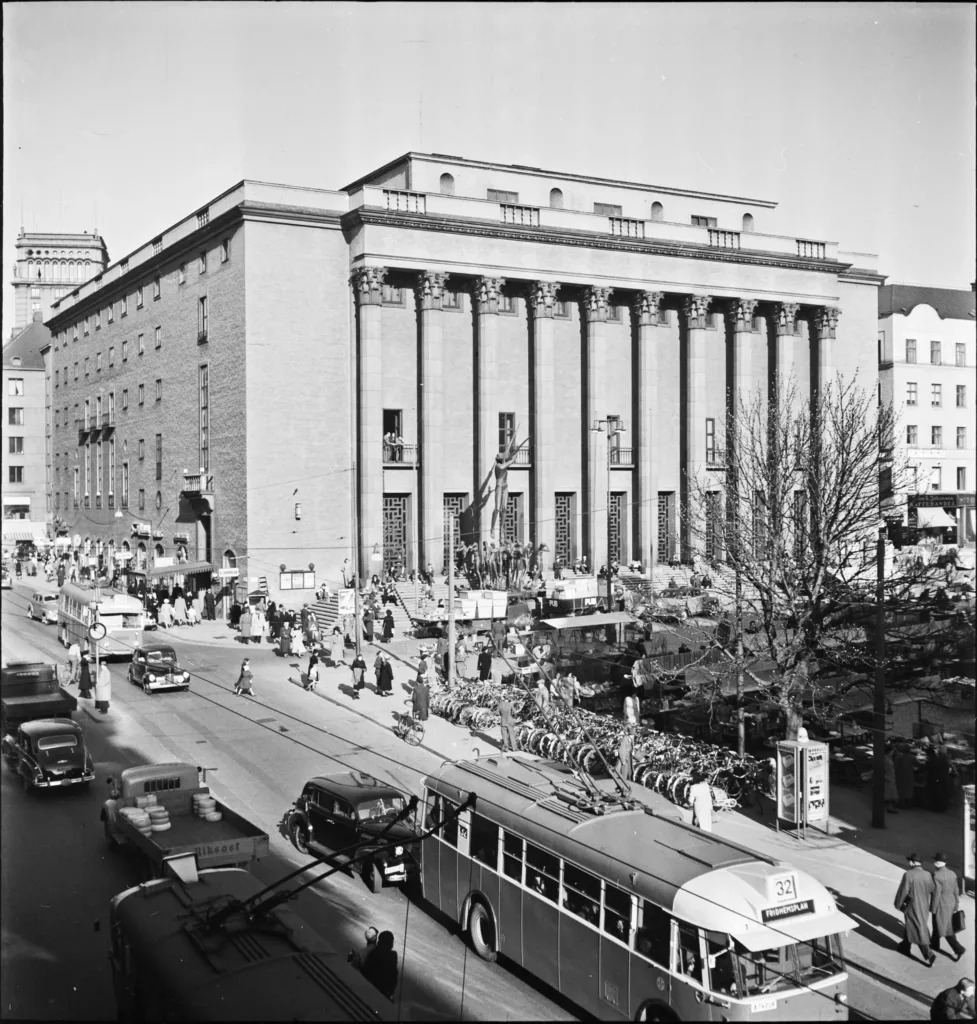
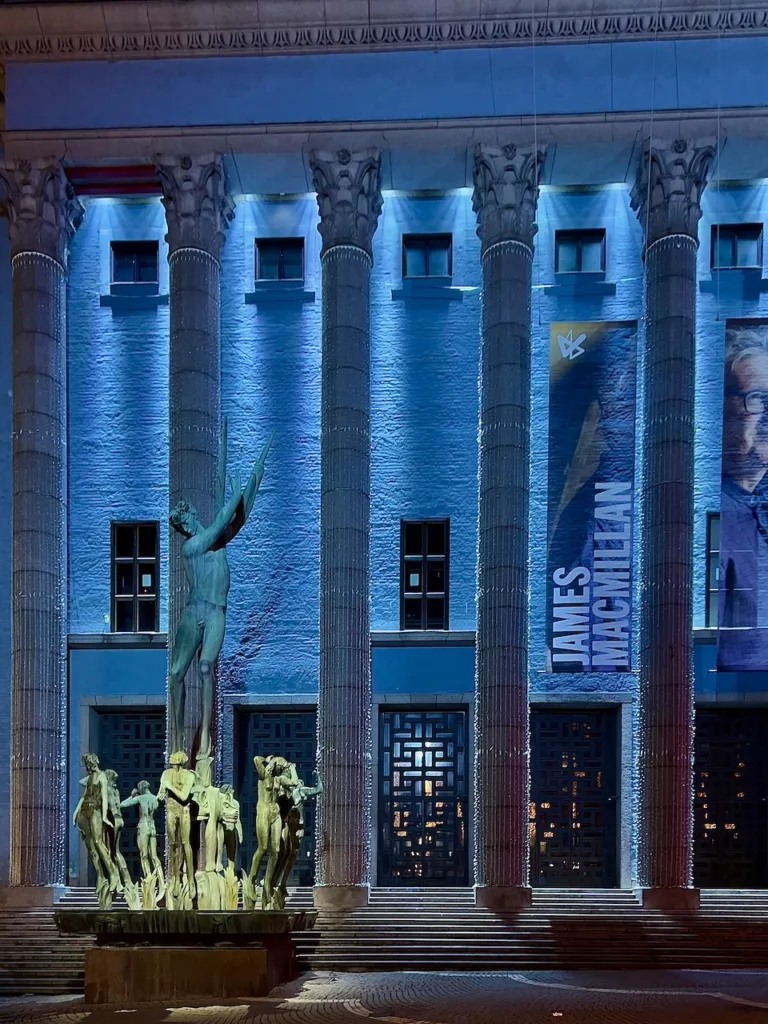
Considered a graceful blend of limestone symmetry and subtle ornament, and by far and foremost Swedish Grace’s global ambassador. Now recognised as a landmark of Stockholm’s city center, with its recognisable blue hue, the Concert Hall evokes ancient temples while harmonising with the city’s bustling rhythm of everyday life.
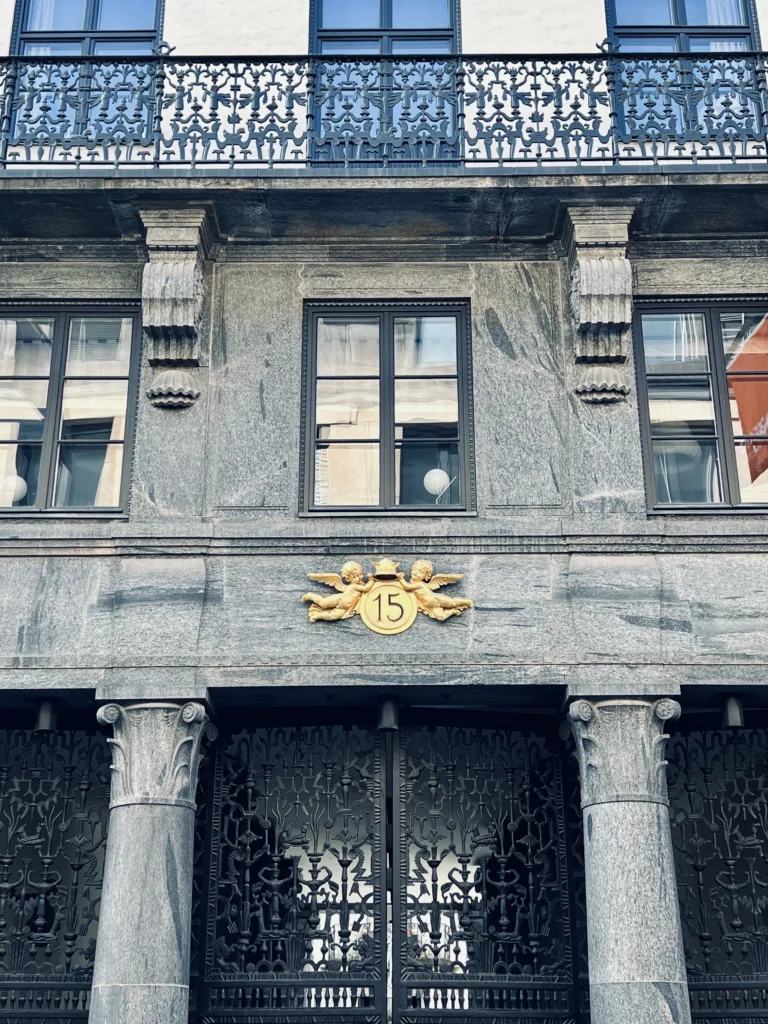
Icons like Tändstickspalatset (Matchstick Palace, 1928) and Stockholms Enskilda Bank followed, blending classical poise with Swedish restraint for an era of refined elegance.
Later Evolution
By the 1930s, Tengbom embraced functionalism in projects like Citypalatset (1930–1932) and the Esselte Building, collaborating with Nils Ahrbom while serving as palace architect, restoring Stockholm and Drottningholm Palaces with meticulous care. Honored with the Royal Gold Medal (1938) and Prince Eugen Medal (1945), he shaped Sweden’s architectural identity across styles.
Enduring Legacy
Tengbom’s visionary spirit lives on through Tengbom Architects, the firm he co‑founded. It continues his legacy today as a leading Swedish practice blending heritage with contemporary innovation. The firm is recognised for its sustainable urban projects as well as digital design solutions, ensuring that the spirit of Tengbom’s refined classicism and Nordic restraint remains relevant for new generations of architects and designers.