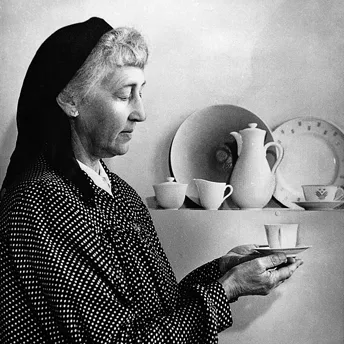
Louise Adelborg
Louise Adelborg (1885–1971) is one of the pioneers of Swedish Grace and an acclaimed designer whose work helped shape the very look of modern Swedish tableware, while staying deeply rooted in nature and tradition. Her porcelain, especially Nationalservisen (The National Service), became emblematic of the Swedish Grace moment.
Quick links:
Where to See Designer or Buy Curated Items Today.
Creative Journey
Louise Adelborg was born in 1885 in Ludgo and trained at the Technical School in Stockholm, later undertaking study trips to Italy and France that sharpened her eye for line, volume, and decorative detail. She began exhibiting ceramics and embroidery as early as 1916, and soon became a key designer at the legendary porcelain factory Rörstrand, where her patterns remained in production for more than four decades.
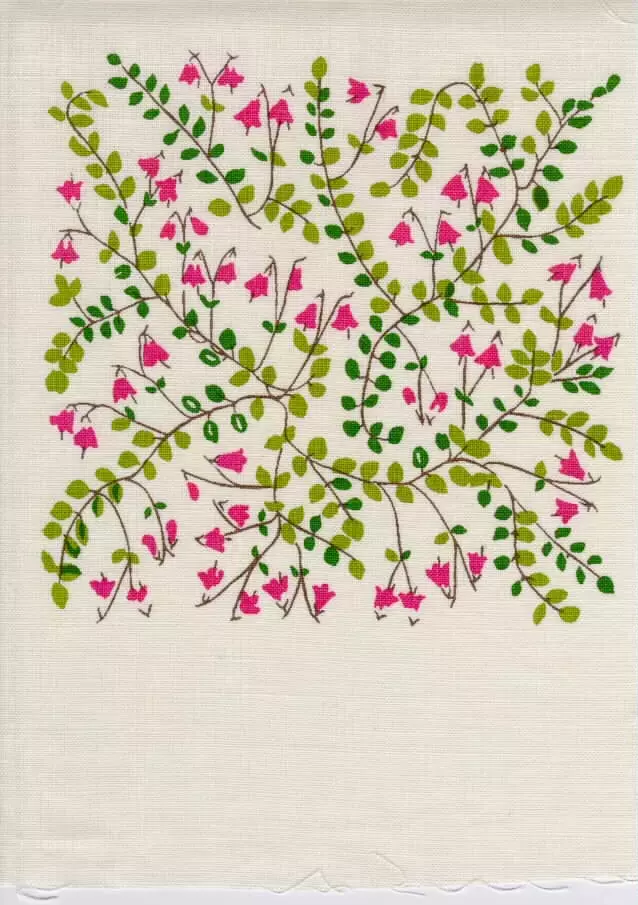
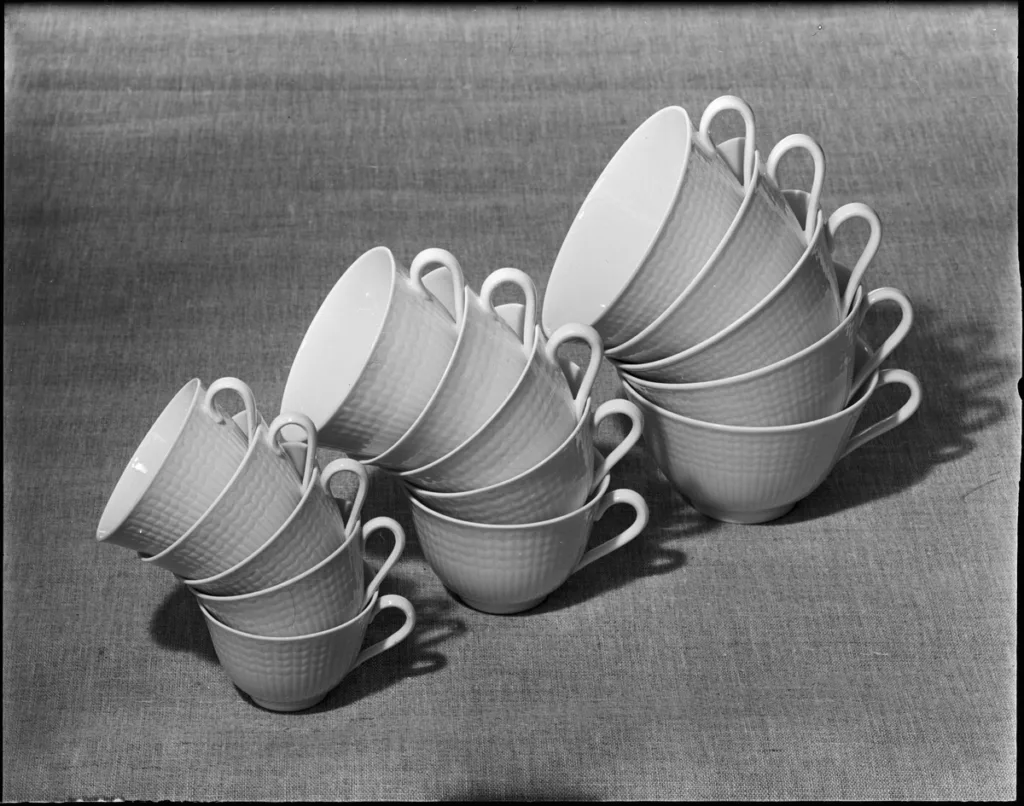
Adelborg’s work sits at the crossroads of art, craft, and industry. She was equally at home designing church textiles and altarpiece embroideries as she was creating everyday porcelain.
Visually, Adelborg’s style balances strong geometry with soft, organic motifs, especially wheat and grain. Her decorations are often recessed into the porcelain as subtle reliefs, so the pieces feel sculptural even when they look simple on the surface. This restraint is one of the hallmarks of Swedish Grace, and it is why her work still reads as “modern” rather than nostalgic.
Nationalservisen, The Birth of Swedish Grace
In the late 1920s, Adelborg created Nationalservisen, a dinner service conceived for the great Stockholm Exhibition of 1930. The service was intended as a “national” statement—a refined, distinctly Swedish answer to the heavy, gilded European tableware traditions that still dominated upper‑class dining at the time.
Nationalservisen was distinguished by its wheat‑ear motif: stems of grain rendered in low relief, wrapping around bowls, plates, and platters like a soft, rhythmic frieze. Adelborg’s design translated the feel of waving wheat in a summer field into a precise, industrially reproducible pattern, giving the service a sense of calm nobility that sat perfectly with the pared‑back, classical‑leaning aesthetics of Swedish Grace.
After the 1930 exhibition, the service was gradually renamed Swedish Grace and has remained in production for much of the twentieth and twenty‑first centuries. It is now widely rediscovered and reissued in various editions. Parlors, palaces, and more modest middle‑class homes alike adopted it, turning Nationalservisen into one of Sweden’s most iconic porcelain services.
Louise Adelborg’s Design Language
Beyond the wheat‑ear band, Adelborg’s Swedish Grace work is characterized by a few recurring themes such as plant‑based reliefs and restrained color palettes. Her vases and plates often feel like small architectural volumes, where the decorative element is secondary to the strength of the form, much in line with the Swedish Grace design philosophy.
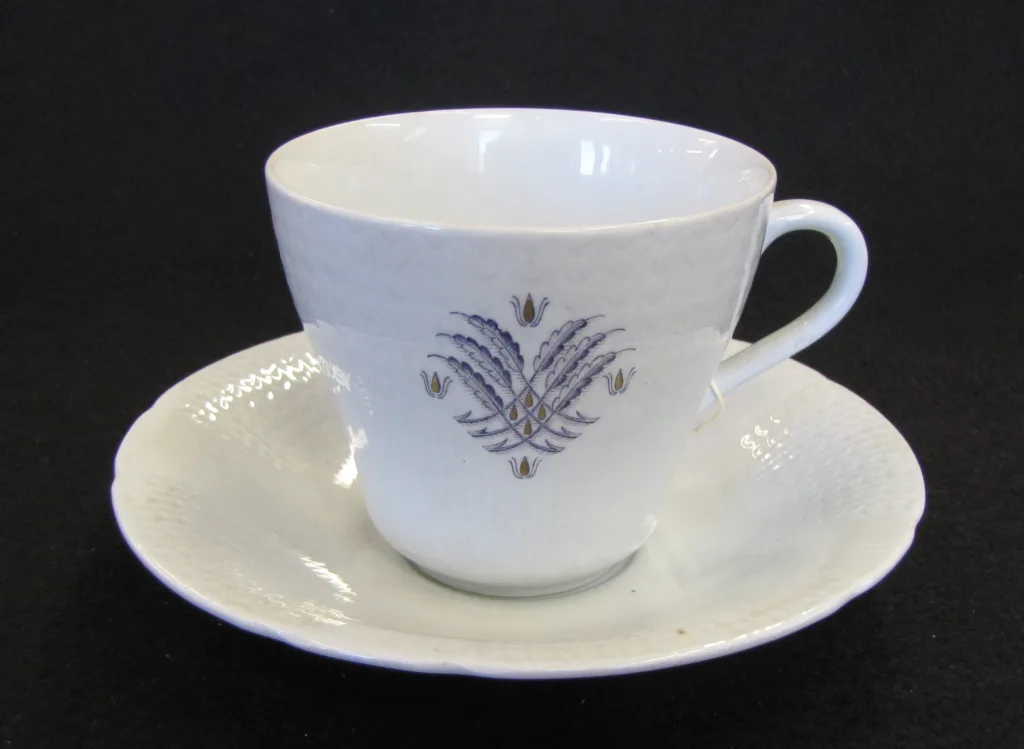
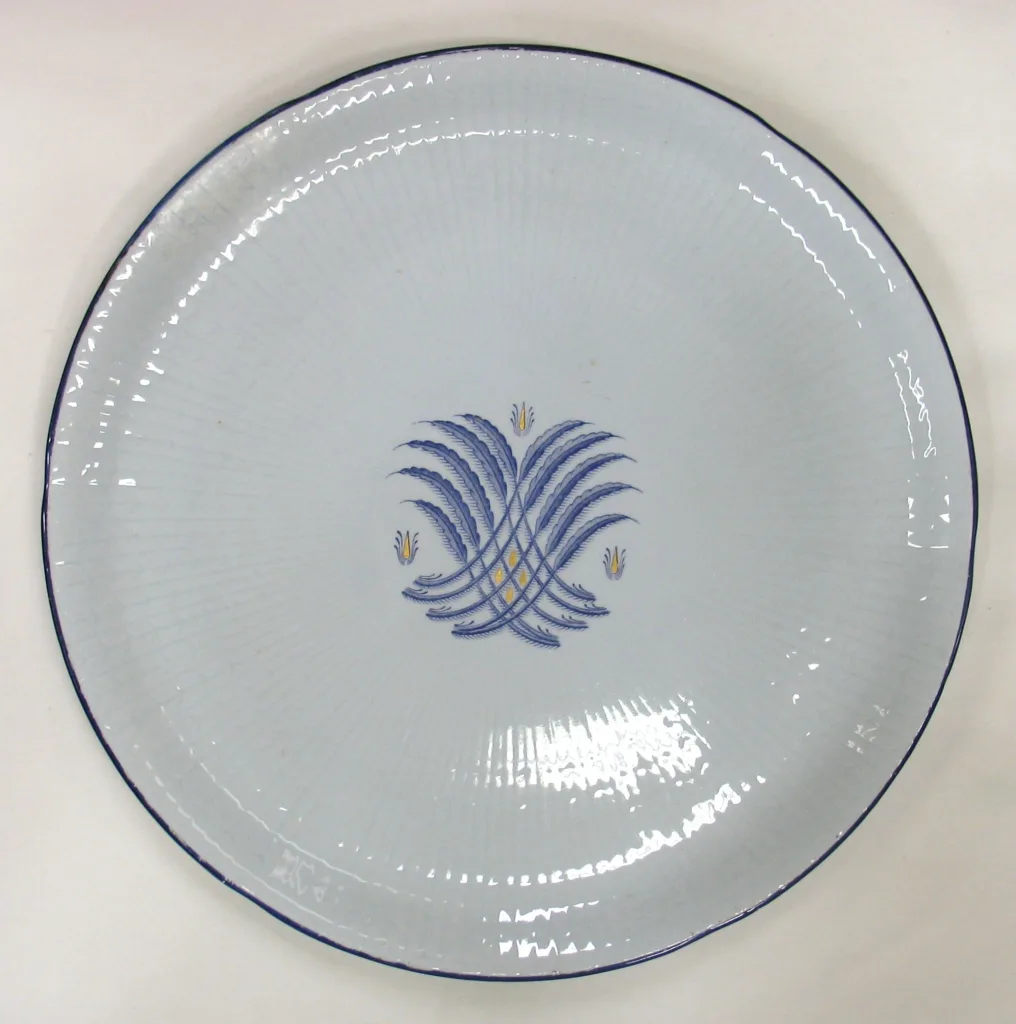
Her work also shows how Swedish Grace could accommodate both solemnity and playfulness. Alongside her large‑scale church textiles and ceremonial pieces, she designed smaller, home‑oriented patterns and services that brought the same careful composition into everyday life, reinforcing the idea that beautiful design should be lived with, not merely looked at.
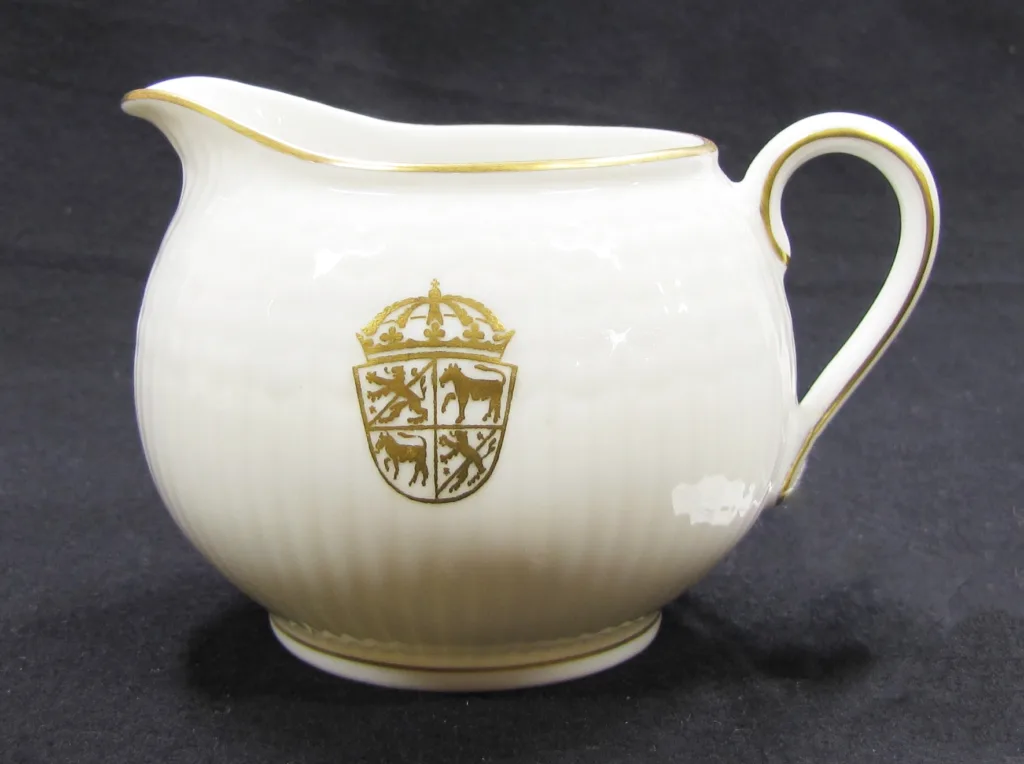
Where to See Louise Adelborg’s Work Today
Louise Adelborg’s pieces are dispersed across museums, private collections, and still‑active production lines, making her legacy unusually visible for a designer of her generation.
Nationalmuseum, Stockholm
The Nationalmuseum holds several of Adelborg’s works in its design and applied‑arts collection, offering close‑up views of her porcelain forms and surface treatments.
Rörstrand / Iittala outlets and archives
Original and later editions of Swedish Grace (Nationalservisen) can be found through Rörstrand and Iittala, both in physical stores and online channels.
Museum shops and design retailers
Church interiors and textiles
Some of her ecclesiastical textiles, including antependia and altar pieces, are still on view in Swedish churches. At Riddarholmskyrkan (Riddarholm Church) in Stockholm, Adelborg designed an antependium (frontal cloth) for the altar, which is one of her best‑known ecclesiastical works.
Auction houses
Louise Adelborg pieces, including individual plates, vases, and complete Nationalservisen / Swedish Grace sets, are very popular hunting grounds for collectors and interior‑minded buyers.
Where to Buy Curated Items
This section includes affiliate links that direct you to external websites.